In today’s construction market, architects, specifiers, contractors and owners are taking a careful look at the flooring being selected for both new construction and remodeling projects. The sheer volume of choices in types, textures, colors and price ranges makes the decision making process an important part of the design process.
Masonry or stone flooring can be used for beauty and durability. These types of flooring can be found in industrial locations and in luxurious commercial and residential structures. According to the 2008 Means Building Construction Cost Data, prices for the most common masonry and stone flooring can range from about $10 per square foot to over $25 per square foot. Substantially higher prices will be found for rare or imported stone flooring.
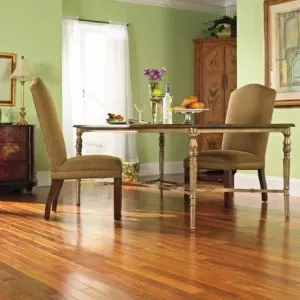
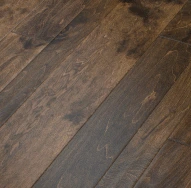
Wood flooring comes in many forms. End grain block flooring, parquet flooring and strip flooring each have different uses and purposes. A variety of species are also available with each species having characteristics that are desirable for both form and function. Laminates and pre-finished flooring have gained in popularity within the home improvement market. Costs can range from $4 to over $20 per square foot.
In any discussion of commercial and residential flooring, resilient types must be mentioned. Rubber, vinyl, cork and linoleum in both sheet and tile form are used extensively in the construction industry. Costs can range from $5 to over $20 per square foot.
Cast in place terrazzo flooring will be found in areas of very high foot traffic. Terrazzo is both aesthetically pleasing to the eye and durable under foot. Unique patterns and shapes can be created with divider strips and the color variations seem unlimited. Terrazzo flooring will remain attractive for years with proper maintenance, thus provided a good life cycle cost. Prices can range from about $20 per square foot to over $40.
Of course, carpeting in all its forms and materials must be mentioned. Available in rolls, tiles and in specific sizes, carpeting covers much of the world’s floor area. Carpet is available in synthetic and natural materials and becoming more popular with the green movement is recycled material for carpeting. Many manufacturer’s are building recycling centers where they accept old carpeting and recycle it into new carpeting instead of just placing it in landfills. Carpeting is usually priced per square yard with a range of anywhere from under $25 to over $100.
The flooring industry along with most of the construction industry is facing the economic challenges that 2008 is presenting. The decrease in new home starts will certainly have an impact on the amount of product being sold, but increases in production and transportations costs will most likely offset any price fluctuations due to reduced demand.
The Boston Globe reports: Wood floors boost charm, price of homes
By Cindy Atoji, Globe Correspondent | October 21, 2007
When general contractor Shane J. McNeill decided to spruce up the white oak floors in his Stoughton ranch home, he didn’t just sand and refinish the aging hardwood: He put down an inlay of Brazilian cherry, American walnut, and maple, creating an intricate border in his kitchen and dining room.
“That’s the beauty of wood flooring,” says McNeill, adding that it provides “warmth to your home”
That’s not all it does: A survey of realtors by the National Wood Flooring Association showed homes with wood floors sell faster - for higher prices.
And although the $24.6 billion floor covering industry has felt the effects of the housing slowdown, sales of hardwood flooring have been constant, says Christopher P. Ramey, a flooring expert and columnist for Flooring Covering Weekly.
“Wood floors last longer than the current fashions or than other surfaces such as carpet or vinyl,” says Ramey. “They are not a design liability.”
If you live in a house built before the 1970s - and for New England, that is much of the architectural landscape - chances are you have wood floors, even if they’re hidden under carpet. At one point, wood flooring had 96 percent of the residential market share, says Howard Brickman of the Institute of Inspection, Cleaning, and Restoration Certification, which sets standards for hardwood flooring inspectors.
“You didn’t really get a choice in those days,” says Brickman. “It was either red oak or white oak.”
Today’s flooring market has introduced a forest of newcomers, including bamboo, cork, mahogany, teak, and even wood-imitating laminates.
With more than 50 kinds of woods to choose from, Peter Fallon, a Needham-based builder and renovator of luxury homes, recommends homeowners decide what look they want to achieve and then let selection be dictated by cost. “Wood floors come in different types and styles, as well as colors, cuts, and grades,” says Fallon. “You also need to consider whether the flooring will be in a high-traffic area and what sort of maintenance it might need.”
Bamboo, for example, is an increasing popular eco-flooring option, a versatile material that is made of stems or strands compressed into durable planks that can be stained.
Teak, an exotic hardwood available from renewable sustainable plantations, is an oilier, water-resistant flooring suitable for high-end applications.
Whatever the kind, wood that is properly cared for should “last forever,” says Brickman of the certification organization. He’s a master craftsman who helped create the interior wood paneling of the Hatch Shell in Boston.
Add today’s tough urethane finishes, and most floors require little maintenance other than sweeping and cleaning. And don’t worry about the scratches. “If you’re someone who likes to push your piano around for exercise, you’re going to scratch your floor. That’s part of the patina,” he says.
No, we here at flooring.org aren’t talking about the athlete-knee-destroying abomination of Astroturf. Remodel.net has a new post about environmentally-friendly remodeling tips.
Bamboo flooring has rapidly become a natural floor of choice for millions of people worldwide, not only for its status as an environmentally friendly product, but because it is an extremely stylish one too!
Most people need not be reminded of how quickly bamboo grows or replenishes itself after being harvested, for this has been much talked about and documented for centuries. In fact, most consumers are fully aware of this wonder of nature and its benefits, but more importantly nowadays they know that it is being turned into numerous practical and stylish products, and they want some of them!
The natural beauty of bamboo is something that will never fade away, the processed finish on a bamboo floor may differ somewhat.
How long will the finish last? Again you have some options here, bamboo flooring is offered with warranties ranging from virtually zero, to lifetime. Obviously this is where price will come into the equation in a big way.
The way you intend to use your floor will dictate which warranty you need, as will the amount of time you anticipate having the floor in place. Heavy use or commercial installations may require one to consider a floor with a long term, possibly lifetime, warranty. If you plan on replacing your floor within 10 years, there may be little point in opting for one that is warranted for any longer than this.
Some flooring will have a warranty which varies depending on where it is installed, for example, either in residential or commercial premises. It may well be the exact same floor for either application but the commercial warranty will be shorter as the floor will receive more foot traffic in a shorter space of time and therefore reach its limit of normal wear and tear much sooner than a floor in a residential property.
Even flooring without a warranty will suit some consumers, an example might be the small business that conducts two trade shows annually and is looking for something to make their stand look unique. The floor gets walked on for about 10 or 15 days a year and is then stored away for the rest of the time.
Ultimately your choice of bamboo flooring will come down to a mix of the following considerations:
- How much you are prepared to pay
- How easy you want the flooring install to be
- What your anticipated use of the bamboo floor will be
- How long you expect to have the floor installed in your premises
By bearing in mind the above you will surely be able to conclude what is the best option for you. Now all you need to do is visit some of the online stores to see exactly what is available. Remember what we said about making a statement? Take steps on a bamboo floor to make yours now!
In the greater Los Angeles area, David Alan Flooring has done excellent work with bamboo floors and other kinds of hardwood. Give them a call at 1-800-Hardwood.
Welcome to Flooring.org, home of beautiful wood floor manufacturer, installation, and maintenance resources.
We believe in wood floors. Why?
Unmatched Natural Beauty: Advanced manufacturing, stains and finishes enable today’s hardwood floors to come in many sizes, styles, colors, finishes and species. Any of these choices will compliment your home or office with style and a beautiful product that will last a lifetime.
Affordable: Wood floors add value to your residence at resale time, not to mention it is a lifetime product. They increase in value as your home does. Hardwood floor products are one of the most sought after hard surface flooring in remodeling and new home construction.
Ease of Maintainance: Routine care is a little more than simple sweeping and vacuuming, always making sure your hardwood floors are protected from moisture and heavy wear which creates scratches. Preventive maintenance with area rugs, floor protectors, and routine treatment with proper hardwood floor cleaner should always be exercised — improper products can contribute to additional wear, may VOID your warranty and cause failure when recoating.
Ecologically Sound: Unlike most floor coverings, wood floors come from a sustainable natural resource. Long gone are the days when timber was cut down with little thought for the long term consequences on the nation’s forests. Today most timber is cut from forests that are carefully managed to ensure continued resources in the future. In fact, according to U.S. Forest Service statistics, almost twice as much hardwood timber is added every year through new growth than is harvested with standing hardwood timber today than there was 50 years ago.
Healthy: The Environmental Protection Agency has said that indoor air quality is one of our top health threats. Installed in the home or elsewhere, wood floors help contribute to a healthy living environment. Hard surface flooring such as hardwood floors does not trap or harbor dust mites or molds creating better air quality for all inhabitants, but especially for the estimated 35 million Americans suffering from allergies. The hard surface of wood floors also helps avoid artificial substances such as pesticides that can accumulate on some floor coverings. A recent EPA study found that pesticides used in gardens and homes accumulate on floors and other surfaces in the home, but that wood floors greatly reduce the accumulation of such toxins. Another concern for the home environment is the off-gassing of toxins that results from some synthetic materials. Any of these chemicals can contribute to chronically illness in the home.
Ease of Installation: Please browse our extensive directory of regional professional hardwood floor installers specializing in new installations, resanding, refinishing and custom work.